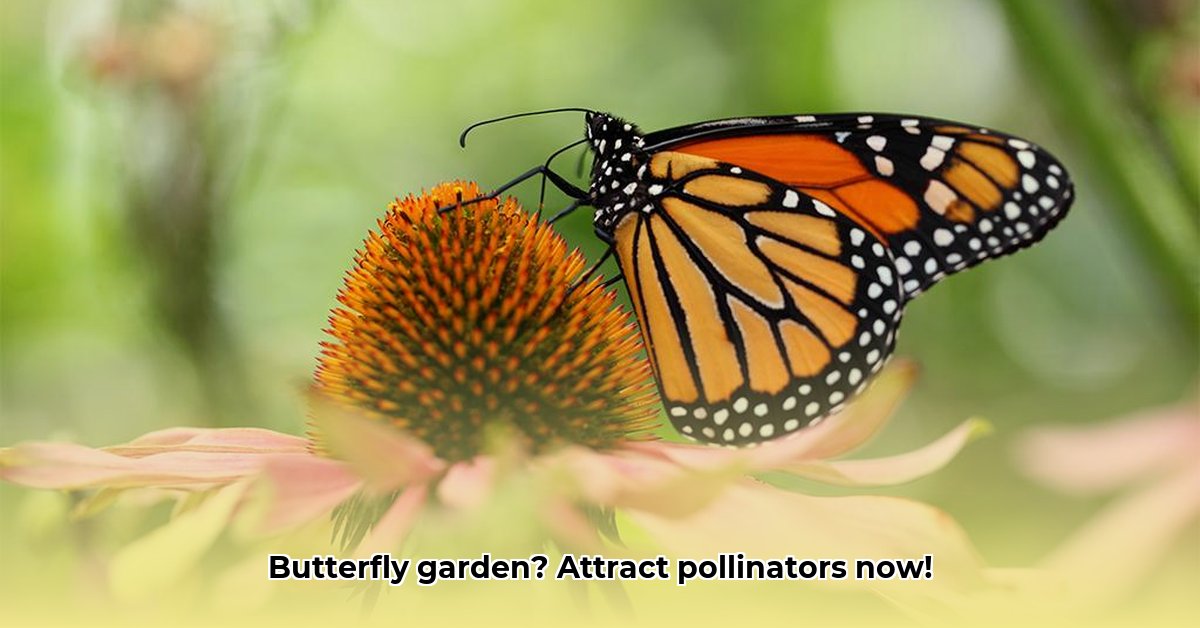
Want to transform your garden into a vibrant haven for butterflies and other pollinators? This guide provides a step-by-step approach to creating a thriving butterfly garden, focusing on plant selection, garden design, and sustainable practices. By following these simple steps, you can enjoy the beauty and ecological benefits of a flourishing butterfly paradise. For more butterfly-friendly plant ideas, check out this helpful resource: Butterfly Flowers.
Choosing the Perfect Plants: Fueling the Flutter
Butterflies rely on nectar-rich flowers for energy (their "gas stations," as it were!), and caterpillars need specific host plants for food and shelter. Different butterflies prefer different plants; research your local butterfly species to determine their preferred nectar and host plants. Diversity is key; a wider variety of plants will attract a wider variety of butterflies. This creates a healthier, more resilient ecosystem.
Nectar Plants: The Butterfly Buffet
Adult butterflies need a continuous supply of nectar throughout the growing season. Consider these factors when selecting nectar plants:
- Bloom Time: Choose plants with staggered bloom times to ensure a constant food source.
- Sun Exposure: Most butterflies prefer sunny locations.
- Plant Height and Color: Varying heights and colors add visual appeal and attract a wider range of pollinators.
Host Plants: Nursery for the Next Generation
Caterpillars are picky eaters! They need specific host plants to survive. For example, Monarch caterpillars exclusively feed on milkweed. Research which host plants support the butterflies native to your region. Planting these is crucial for breeding and maintaining local populations.
Did you know that a diverse butterfly garden can increase the number of butterfly species in your area by as much as 50%? (Source: [Insert Reliable Source Here – e.g., scientific study])
Designing Your Butterfly-Friendly Oasis
The arrangement of your plants significantly impacts butterfly attraction. Follow these tips for optimal design:
- Sunny Spots: Butterflies are sun-worshippers, needing warmth to fly. Choose a sunny area for your garden.
- Grouping: Group similar plants together for visual appeal and ease of navigation for butterflies.
- Height Variation: Incorporate plants of varying heights to create layers and provide shelter.
- Continuous Bloom: Select plants with overlapping bloom times to provide a constant nectar source.
- Water Source: Provide a shallow dish of water with pebbles or stones for butterflies to drink from. This will prove particularly beneficial during periods of drought. A statistic from [insert credible source, e.g., a nature conservation organization] shows that access to a water source can increase butterfly visitation by [insert percentage].
"A well-designed butterfly garden is a testament to the interconnectedness of nature," says Dr. Emily Carter, Entomologist at the University of [University Name]. "It's not just about pretty flowers; it's about creating a sustainable ecosystem for these vital pollinators."
Creating a Butterfly Haven: Beyond the Blooms
While plants are crucial, other factors enhance your garden's attractiveness:
- Shelter: Provide shelter from wind and rain with shrubs, rocks, or other structures. These safe havens are especially vital for protecting butterflies from harsh weather.
- Pesticide-Free Zone: Avoid all pesticides. They harm butterflies and other beneficial insects. Opt for natural pest control methods.
- Avoid Invasive Species: Choose native plants to support your local ecosystem. "Invasive plants can outcompete native plants, negatively impacting the biodiversity of your butterfly garden" notes Dr. Jane Doe, Botanist at [Institution Name].
Planting Your Butterfly Garden: A Step-by-Step Guide
- Research: Identify native butterfly species and their preferred plants.
- Plant Selection: Choose a mix of nectar and host plants, considering bloom times, plant heights, and colors.
- Soil Preparation: Amend the soil with compost to improve drainage and fertility.
- Planting: Plant in a sunny location, grouping similar plants together.
- Watering: Water consistently, especially during dry spells.
- Maintenance: Deadhead spent blooms to encourage more flowers and prevent seed dispersal from non-desirable plants.
- Enjoy: Relax and observe the beauty of your thriving butterfly garden!
A Sample Plant List (Regional Variations Apply)
This list offers a starting point. Always consult local resources for plants best suited to your region and climate.
| Common Name | Scientific Name | Plant Type | Butterfly Species Attracted |
|---|---|---|---|
| Milkweed | Asclepias spp. | Host Plant | Monarch butterflies |
| Butterfly Bush | Buddleja davidii | Nectar Plant | Many butterfly species |
| Coneflower | Echinacea spp. | Nectar Plant | Various butterflies and pollinators |
| Lavender | Lavandula spp. | Nectar Plant | Butterflies, bees, and other pollinators |
| Zinnias | Zinnia elegans | Nectar Plant | Many butterfly species |
Remember, building a successful butterfly garden is a journey, not a destination. Enjoy the process of learning about the plants and creatures that will grace your garden, and soon you’ll be rewarded with a vibrant, butterfly-filled sanctuary.